RCMGen LLC provides hospital revenue cycle management for U.S. hospitals and regional health systems. We serve community hospitals, critical access hospitals and rural emergency hospitals. Our service covers patient access, inpatient and outpatient coding, billing, denials, payment reconciliation and A/R recovery. One accountable operating relationship connects this work.
RCMGen brings 15,000+ senior A/R, coding and RCM experts to provider operations, with onshore and offshore teams organized around each hospital's needs. DRG validation, chargemaster management, 340B billing and clinical documentation integrity remain part of our hospital service capabilities. Explore our revenue cycle management services to see how the hospital workflow connects with the wider service portfolio.














Hospital revenue cycle management for every hospital type
End-to-end revenue cycle management for community hospitals, critical access hospitals, rural emergency hospitals, and regional health systems. DRG validation, inpatient and outpatient coding, chargemaster management, 340B billing, clinical documentation integrity, denial management, and A/R recovery, all delivered under one contract with one accountable partner.
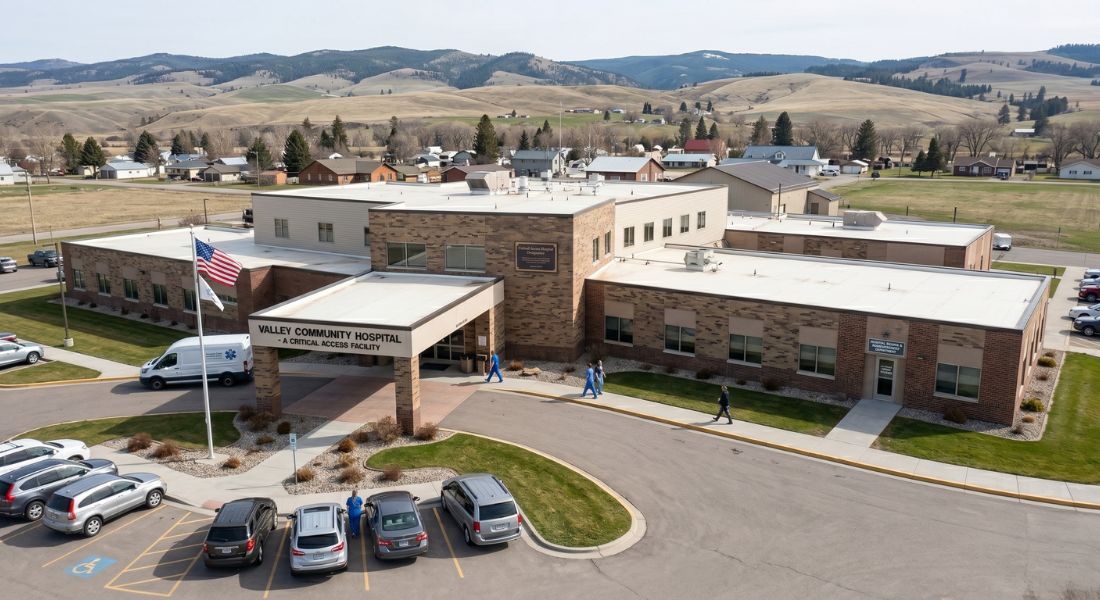
Critical access hospital (CAH) billing
Revenue cycle management for CAHs with Method II billing, swing-bed coding, 96-hour rule compliance, and cost report reconciliation built into every claim.
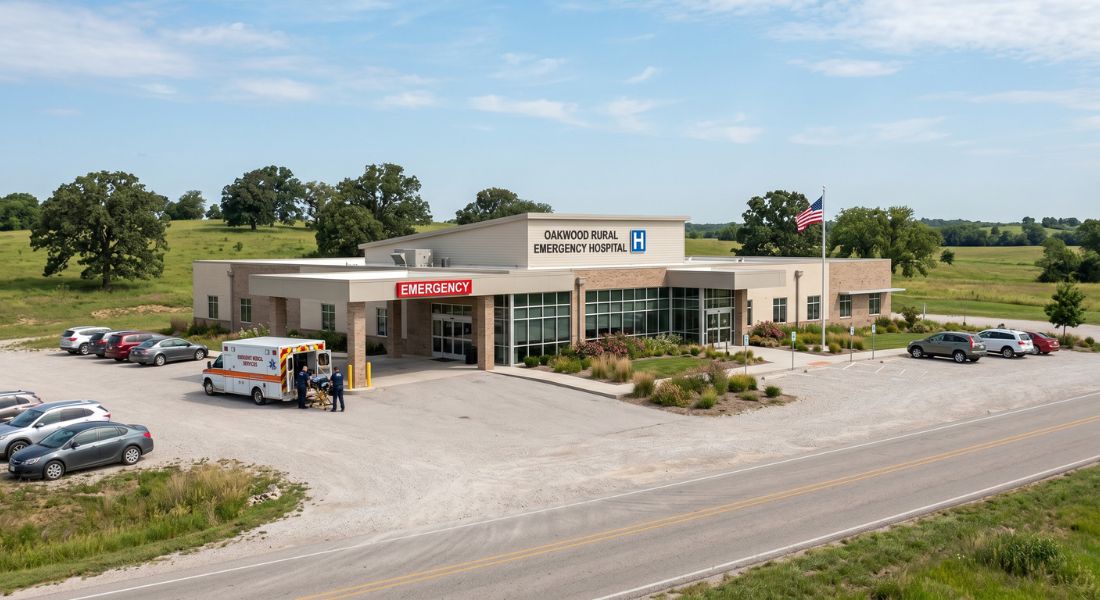
Rural emergency hospital (REH) billing
Revenue cycle management for REHs covering monthly facility payment reconciliation, outpatient-only service rules, and transition-year cost report filings.

Community hospital billing
Revenue cycle management for 25 to 250 bed community hospitals covering DRG validation, observation status audits, and commercial contract variance recovery.

Regional health system billing
Revenue cycle management for multi-facility regional health systems covering centralized patient access, enterprise denial management, system-wide KPI governance, and consolidated A/R recovery workflows.
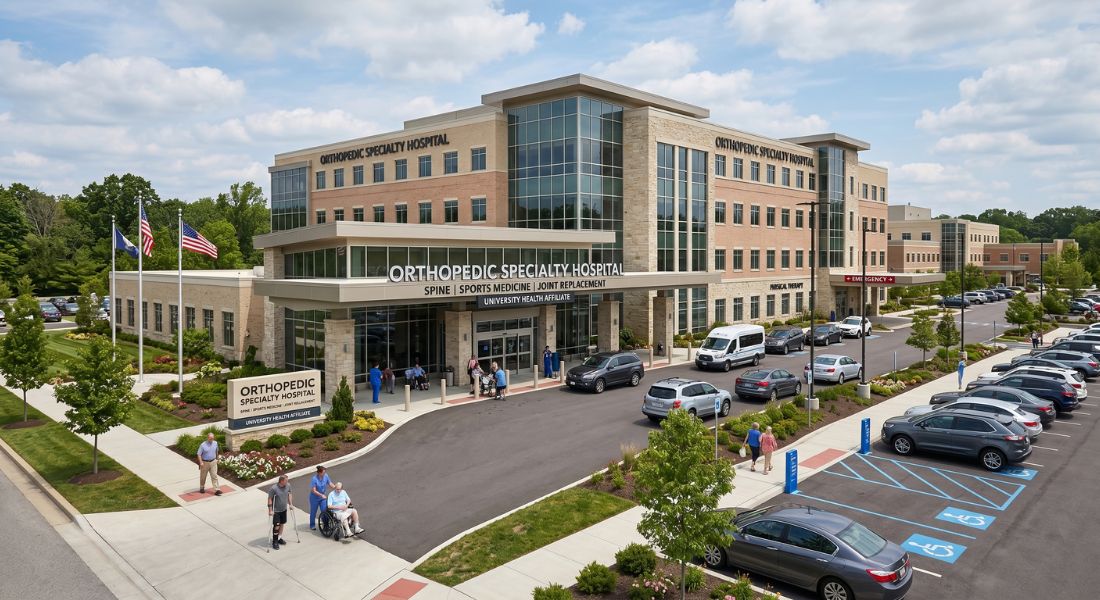
Orthopedic specialty hospital billing
Revenue cycle management for orthopedic specialty hospitals covering joint replacement coding, implant carve-out reconciliation, global period tracking, and surgical bundle payment management.

Rehabilitation hospital billing
Revenue cycle management for inpatient rehabilitation facilities (IRF) covering PPS compliance, 60 percent rule documentation, functional assessment scoring, and CMG grouping accuracy on every admission.

Psychiatric hospital billing
Revenue cycle management for psychiatric and behavioral health hospitals covering IPF PPS billing, concurrent care rules, parity law enforcement, and commercial and Medicaid MCO authorization workflows.

Children's hospital billing
Revenue cycle management for children's and pediatric specialty hospitals covering pediatric DRG accuracy, NICU billing complexity, CHIP reimbursement rules, and Medicaid MCO pediatric authorization workflows.
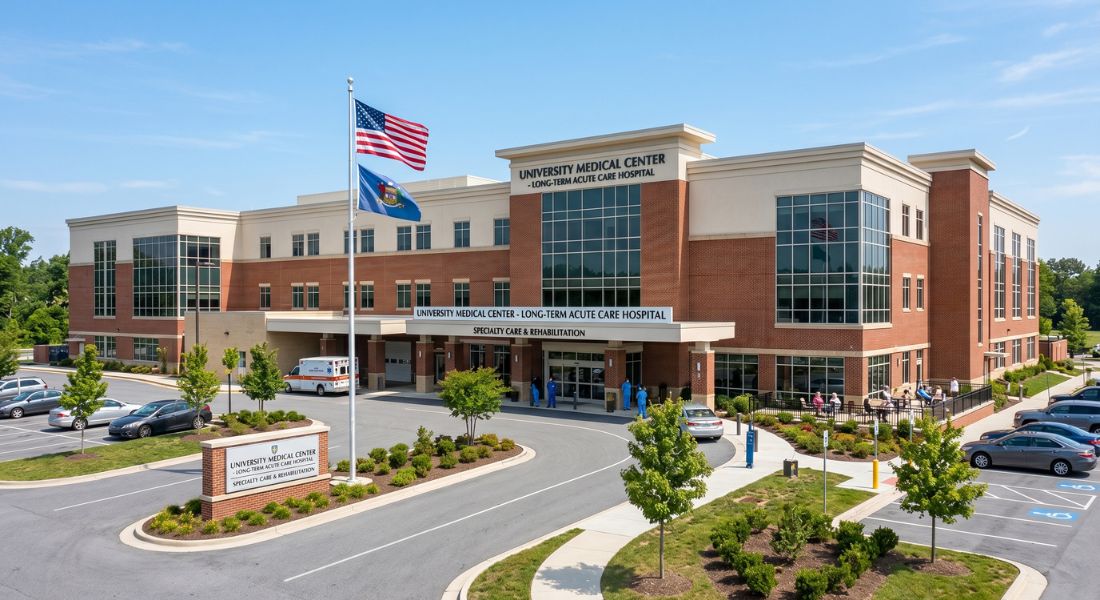
Long-term acute care hospital
Revenue cycle management for LTACHs covering 25-day average length of stay compliance, site-neutral payment rules, LTCH-PPS grouping accuracy, and transfer billing reconciliation with referring facilities.
End-to-end hospital revenue cycle management
We cover the full hospital revenue cycle from patient access through final account resolution. Each component is staffed by hospital-specific specialists, not generalists.

Patient access and pre-registration
Registration accuracy, insurance eligibility verification, prior authorization, medical necessity validation, price estimation, and point-of-service collections for inpatient admissions, emergency department visits, and outpatient services.
Inpatient coding
ICD-10-CM and ICD-10-PCS coding by credentialed inpatient coders holding AHIMA CCS or AAPC CIC certification. DRG assignment, present-on-admission (POA) indicator accuracy, hospital-acquired condition (HAC) tracking, and complication or comorbidity.
Outpatient and ambulatory surgery
Outpatient and ambulatory surgery coding: APC grouping, modifier 25, 26, 27, 50, 58, 59, 78, 79 application, observation billing, condition code accuracy, and ASC payment indicator grouping for hospital outpatient departments.
Emergency department coding
E/M leveling accuracy (99281 through 99285), critical care time documentation, trauma activation billing, facility fee capture, and observation versus admission status validation.
Clinical documentation integrity
Concurrent and retrospective CDI review, physician query workflow, CC/MCC capture optimization, DRG assignment accuracy, and HCC capture coordination for value-based contracts.
Denial management and appeals
Clinical denial appeal with physician-advisor coordination, medical necessity appeals with LCD and NCD citation, observation downgrades, and level-of-care disputes.
Chargemaster management
Chargemaster (CDM) maintenance, quarterly pricing review, new service line charge structure setup, modifier and revenue code accuracy, and compliance with OPPS updates.
Underpayment recovery
Underpayment recovery and contract variance Payer contract modeling, line-item underpayment identification, expected reimbursement validation, and formal underpayment recovery.
Accounts receivable follow-up
Age-based A/R workflow, payer follow-up cadence, no-response escalation at day 30 and day 45, high-dollar claim prioritization, and small-balance write-off governance.
Patient financial services
Patient statement generation, online payment portal, payment plan management, propensity-to-pay scoring, self-pay follow-up, and pre-collection triage.
Reporting, analytics, and KPI
Real-time dashboards, monthly executive business reviews, payer scorecards, physician productivity reporting, service line profitability, and custom KPI alignment to your board report format.
Credit balance refund management
Credit balance identification from payer overpayments and duplicate patient payments, root-cause analysis to prevent recurrence, automated refund workflow to payers and patients.
What does a hospital RCM partner manage day to day?
RCMGen manages the hospital revenue cycle functions assigned to our team and connects them with the departments that supply clinical, administrative and financial information. A hospital account may involve patient access, HIM, coding, clinical documentation, patient financial services and finance. The service needs to make those handoffs visible rather than treating the account as a task owned by only one department.
Our operating scope identifies the hospital locations, account types, services and work queues included in the engagement. It distinguishes ongoing activity from historical balances and identifies the hospital contacts needed for clinical clarification, financial approval and system issues. This creates a working structure for both a broad outsourcing arrangement and a shared operation with retained hospital staff.
The result of the daily workflow is a documented account status and next action. Completed work moves forward; unresolved work has an identified barrier and a responsible owner. Hospital leadership can then review the operation through the same departmental and financial structure used to manage the organization.
How are responsibilities divided between the hospital and RCMGen?
Hospital revenue cycle management depends on clear responsibility across clinical and administrative teams. RCMGen owns the agreed operational assignments, while the hospital retains clinical decisions, organizational policies and its designated approvals. A responsibility map connects each workstream with the information needed and the person authorized to resolve an exception.
| Hospital function | Connected RCMGen work | Hospital decision or input |
|---|---|---|
| Patient access | Assigned registration, eligibility and authorization workflow. | Patient information, service scheduling and escalation contacts. |
| HIM and clinical teams | Coding review, documentation questions and assigned CDI work. | Clinical records, authorized clarification and clinical policy. |
| Patient financial services | Claim production, payer responses, denials and A/R follow-up. | Account policies, escalation authority and retained work queues. |
| Finance | Payment reconciliation, account reporting and variance follow-up. | Financial data, adjustment approvals and management reporting requirements. |
This map also identifies responsibility when an issue crosses departments. A coding hold should not remain a generic finance exception, and a missing registration field should not remain in a clinical queue. The right owner receives the information needed to act.
How do facility and professional billing stay coordinated?
Facility billing and professional billing represent different workstreams even when they arise from the same episode of care. RCMGen identifies which responsibilities are included for the hospital, employed clinicians or associated physician groups. The workflow keeps the relevant provider, location, documentation and charge information connected to the correct account.
A shared patient encounter does not make every charge part of the same billing assignment. The operating scope identifies the facility services and any professional billing managed by RCMGen, including the departments supplying the information. This helps the hospital avoid assigning a task to the wrong team or assuming that an account has been handled because another part of the encounter moved forward.
For employed or affiliated groups with a distinct practice operation, the clinic and physician group service provides a separate route. The hospital engagement coordinates the relevant handoffs while preserving the difference between hospital financial operations and professional practice billing.
How are unbilled hospital accounts organized?
RCMGen separates unbilled hospital accounts by the reason they cannot move to the next stage. An account may be waiting for coding, documentation, charge information, an administrative correction or another required decision. A single unbilled total does not explain which department needs to act, so the working queue connects the account with the actual dependency.
Coding and documentation teams need a different view from patient access or finance. RCMGen routes the issue to the assigned owner and keeps the disposition connected to the account. When the required information arrives, the account returns to the appropriate working queue rather than relying on a separate informal notification.
The management review distinguishes active work from accounts awaiting another team. This makes it possible to discuss unresolved inventory in operational terms: what is missing, who owns the next action and which recurring pattern needs attention. The hospital retains the clinical and policy decisions needed to resolve those dependencies.
How are clinical and administrative denials handled together?
RCMGen connects hospital denial work with the function that can resolve the underlying issue. An administrative problem may require registration, billing or payer follow-up. A denial involving clinical documentation may require coordination with the hospital's authorized clinical contacts. These pathways need different information and responsibilities even when they appear in the same financial report.
The assigned denial workflow records the payer response, the work already completed and the next required action. Where a response depends on a clinical decision or supporting documentation, the issue is routed through the hospital's designated process. The account history keeps those handoffs visible to the team managing the balance.
The denial management service and payer-specific denial service provide the detailed operating scope. Within hospital RCM, recurring findings also return to the appropriate patient access, documentation, coding or billing team so that the management review addresses the source of repeated work.
How are payments, adjustments and contract differences reviewed?
RCMGen connects payment information with the disposition of the hospital account. Posted receipts, contractual adjustments, unresolved differences and patient balances describe different parts of the financial picture. The reconciliation process keeps those categories visible so that a posted payment is not automatically treated as a fully resolved account.
Where contract variance work is included, the team uses the agreed payer contract information and account detail to identify differences for review. Potential shortfalls move into the assigned underpayment recovery workflow. The hospital retains the designated approval responsibility for adjustments, settlements and policy decisions.
Finance reporting can then distinguish money received from work performed on the account. That distinction is especially useful during a transition, when payments may relate to work completed by a previous team. RCMGen keeps the opening inventory and current production visible so that the hospital can interpret activity in the right operational period.
How does RCMGen support a hospital system with several facilities?
RCMGen organizes a multi-facility engagement around both shared oversight and local operating differences. The hospital system needs a consolidated view, while individual facilities may have different account types, service lines, retained staff and escalation contacts. The service scope identifies those differences rather than assuming every facility uses an identical workflow.
Common reporting definitions help leadership compare activity across the system. Facility-level views preserve the details needed to act on a local problem, such as a documentation queue or a payer issue concentrated in one service line. The management review connects the system-wide pattern with the facility or department responsible for the next action.
- Identify the facilities, locations and account populations included.
- Map shared functions and functions retained by individual hospitals.
- Establish consistent reporting definitions and local escalation contacts.
- Keep facility-level exceptions visible within consolidated financial reporting.
What does a controlled hospital transition include?
A hospital transition begins with the active operating inventory and the people responsible for it. RCMGen identifies current production, outstanding coding and documentation work, submitted claims, denials, receivables and patient balances within the engagement. Existing account history and open issues remain part of the handoff.
Before responsibility transfers
The hospital and RCMGen identify authorized access, the first work queues, reporting sources and the clinical, administrative and finance contacts needed for exceptions. The scope makes retained functions visible so that a task is neither duplicated nor omitted when ownership changes.
During the first operating cycle
The first operating cycle tests practical handoffs using the assigned work. Missing information, access problems and unresolved ownership are connected with the responsible contact. The review distinguishes a transition dependency from the underlying work that the service is expected to perform.
After the handoff
The ongoing review follows current production and the opening inventory separately. Hospital leadership receives visibility into unresolved dependencies and recurring patterns, while the working teams continue through the agreed escalation and reporting routes. This creates continuity from transition into normal operations.
What should a hospital leadership review include?
Hospital leaders need reporting that connects financial results with operational causes. RCMGen organizes the review around the services in scope, using account populations and metric definitions that the hospital can interpret consistently. A work count, an aging balance and a cash receipt describe different events, so the report keeps those measures distinct.
The review identifies the work completed, the unresolved inventory, the main sources of rework and the issues requiring a hospital decision. Facility, payer and service-line views provide context where relevant to the engagement. This makes the discussion useful to department leaders as well as to finance and executive management.
The action record is as important as the headline number. A recurring issue needs an owner, a next step and a way to see whether the underlying workflow changed. RCMGen connects the operating discussion with the teams responsible for registration, documentation, coding, billing and financial resolution.
How should a hospital evaluate the proposed service scope?
A hospital RCM proposal should identify the facilities, services, account types and functions included in the relationship. RCMGen distinguishes a complete operating engagement from a targeted assignment such as coding, denial recovery or A/R follow-up. The proposal also makes retained hospital responsibilities and approval needs visible.
Current production and historical balances need separate treatment in the scope. The hospital can then compare the fee basis with the work assigned, including reporting, transition and the handling of unresolved accounts. Existing RCM service pricing provides a starting point, while the written proposal records the hospital's actual service configuration.
An initial discussion can use aggregate operational information: facility types, locations, current systems, payer mix and priority queues. Detailed account access follows the agreed onboarding process. This gives both teams enough context to define the work without treating a general introductory conversation as the full implementation plan.
How does a new hospital service line enter the revenue cycle operation?
A new hospital service line needs an identified revenue cycle owner before its work is treated as routine production. RCMGen connects the assigned billing, coding, charge and reporting responsibilities with the hospital departments supplying the information. The hospital retains decisions about the service itself, clinical delivery and its organizational policies.
The operational handoff identifies the facility and provider information, the records entering the workflow, the documentation contacts and the financial reporting view. It also distinguishes work handled by an existing team from new work assigned to RCMGen. This keeps the change visible to patient access, HIM, patient financial services and finance rather than leaving each department to infer the new arrangement.
The first account inventory gives the working teams a way to identify missing information and unresolved responsibilities. Questions are routed to the appropriate hospital contact, and the operating instructions are updated when the workflow is clarified. The same approach is useful when an existing service moves between locations or when account ownership changes within a health system.
For management reporting, the service-line view should remain connected with the underlying accounts and the period being reviewed. New production may have a different payer or account mix from the hospital's established activity. RCMGen keeps those distinctions visible within the agreed reporting scope so that leadership can understand the operation without relying on an undifferentiated total.
This work is a coordination process, not a substitute for the hospital's clinical, contracting or financial decisions. The engagement identifies the revenue cycle tasks included and the approvals retained by the hospital, with the same accountability used for the existing operation.
Questions about hospital revenue cycle management
Can RCMGen manage selected hospital departments while we retain others?
Yes. RCMGen supports a defined group of hospital revenue cycle functions as well as a broader engagement. The service scope identifies the departments and queues assigned to our team, the responsibilities retained by hospital staff and the handoffs between them. The management review follows those boundaries so that accountability remains clear.
Do you work with community and rural hospitals?
Yes. RCMGen's hospital service includes community hospitals, critical access hospitals, rural emergency hospitals and regional health systems. The hospital-type directory on this page describes the existing service capabilities. The operating engagement reflects the facility's account types, retained staff, service lines and reporting needs rather than using one generic delivery model.
Can a hospital start with denial or A/R recovery instead of full outsourcing?
Yes. A hospital can engage RCMGen for a defined recovery or follow-up assignment. The opening inventory identifies the accounts, prior actions and available documentation. The scope also identifies the hospital contacts needed for clinical, contract or financial decisions. Any later expansion into ongoing production is reflected in the service responsibilities and reporting.
How are hospital clinical decisions protected within the workflow?
Clinical decisions remain with the hospital's authorized clinicians and leadership. RCMGen manages the assigned revenue cycle work and routes questions through the agreed clinical or documentation process. The account record identifies the issue and its disposition, allowing the operational team to continue without substituting an administrative assumption for a clinical response.
Will existing hospital staff still participate after outsourcing?
Yes. Hospital staff remain important to clinical documentation, organizational policy, financial approval and any functions the hospital retains. RCMGen works with those designated contacts through clear handoffs and escalation routes. The engagement can also combine onshore and offshore teams according to the hospital's operating needs.
What should we bring to an initial hospital RCM discussion?
Bring a summary of your facilities, care settings, current revenue cycle structure, systems and main operational priorities. Identify the work you want managed and whether the scope includes historical balances. Aggregate information is sufficient to start the discussion; the detailed transition inventory and account-level access belong in the agreed onboarding process.

Build the service around your operation
Speak with RCMGen about your current workflow, priorities and service scope. Call +1 646 755 2633 or request a proposal.